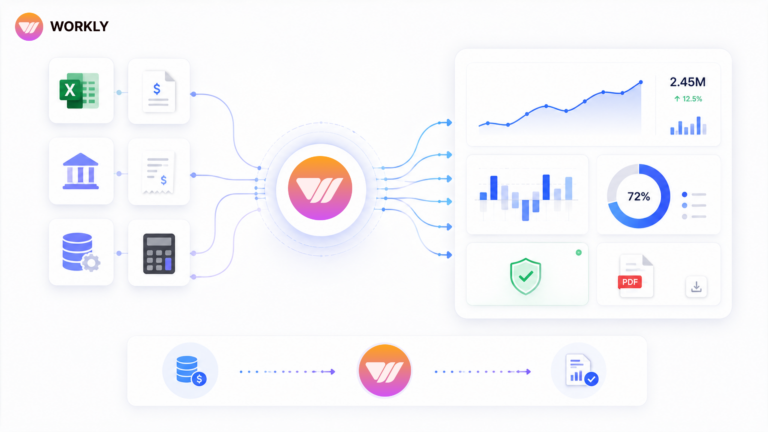
Your support team isn’t struggling with volume it’s struggling because no system is actually doing the work that support demands at scale.

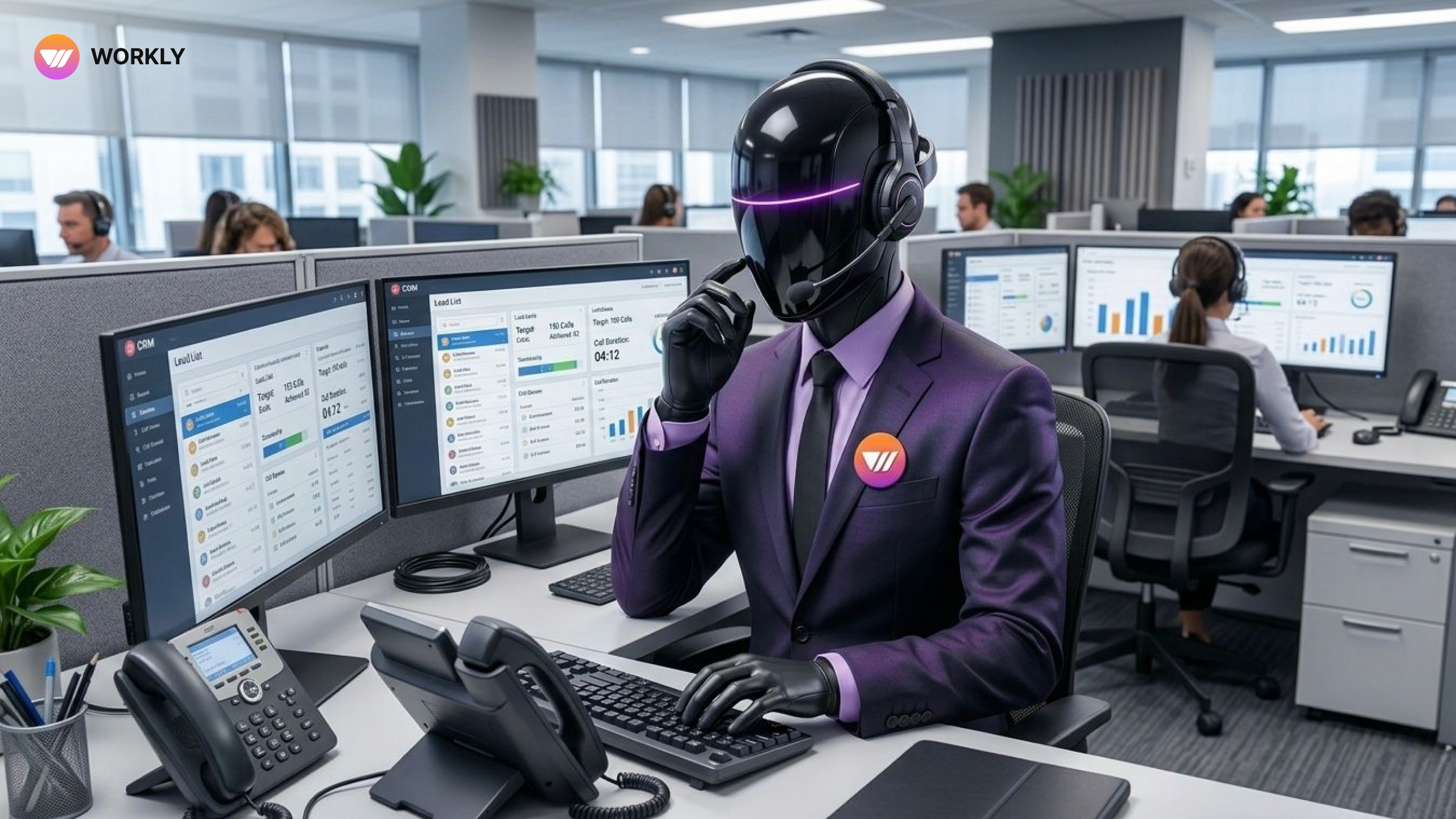
Every customer support team starts with the same goal respond fast, resolve quickly, and keep customers happy.
But as ticket volume increases, control starts slipping away. Conversations scatter, updates get missed, and customers are left waiting without clarity. Your team isn’t slow they’re stuck managing chaos instead of delivering support.
Tickets remain unassigned. Responses get delayed. Customers keep following up. And your team spends more time tracking work than actually solving problems.
This is not a people problem. It’s a system that was never built to handle real scale.
More tickets aren’t the problem the absence of execution is.
The Real Issue: Your Support Team Isn’t Supported
Most support tools are designed to record problems not solve them.
So your team ends up doing everything manually. Reading queries. Deciding ownership. Sending replies. Following up. Checking delays. Repeating the same steps again and again.
As volume grows, this approach doesn’t just slow down it breaks.
Even your best agents can’t perform at their best when they are buried under operational work instead of real problem-solving.
Why Traditional Tools Can’t Solve This Problem
Most content tools are built around visibility, not execution. They help teams see tasks, organize timelines, and track progress, but they stop there. They don’t actively move work forward, they don’t enforce dependencies, and they don’t ensure accountability beyond what humans manually enforce.
This creates a hidden workload. Even with tools in place, teams are still responsible for pushing every task, reminding every stakeholder, and ensuring every step happens on time. The tool becomes a dashboard, not a driver. And as content demand increases, this gap becomes more painful. More content means more coordination, more follow-ups, and more chances for things to break.
Enter Workly’s AI Employee: The One Who Actually Gets the Work Done
Workly introduces an AI Employee that doesn’t assist it takes ownership.
The moment a customer reaches out, the AI Employee handles it. It creates the ticket, understands the issue, assigns it to the right person, and ensures it moves forward without delay.
There’s no waiting. No confusion. No dependency on manual coordination.
It doesn’t just manage the system it runs it.
And it doesn’t stop at internal workflows.
The AI Employee can directly communicate with customers sending updates, resolving queries, and even making phone calls when needed. It can speak in multiple languages, ensuring every customer gets clear and comfortable communication, no matter where they are.
It behaves like a fully active team member available all the time, consistent in execution, and impossible to miss a step.
AI Employee That Calls, Responds, and Resolves—Without Waiting
The moment a request comes in, the AI Employee doesn’t just process it communicates instantly.
It can respond to customers in real time, handle conversations end-to-end, and even make or attend calls when required. Whether it’s a quick update, a clarification, or a full resolution, the AI Employee ensures the customer is never left waiting.
Customers don’t have to chase support.
They don’t have to wait for someone to pick up.
They don’t have to wonder if their issue is being handled.
The AI Employee speaks, responds, and resolves just like a dedicated support agent who is always available. It can handle conversations across channels and in multiple languages, making every interaction smooth and immediate.
If a situation needs urgency, it calls.
If a customer reaches out, it responds.
If a problem needs resolution, it moves it forward instantly.
There are no gaps between query and action.
No silence between updates.
No delay between problem and response.
The system doesn’t just manage support it actively communicates and completes it.
Consistent Support That Doesn’t Depend on Individuals
Support quality often varies because it depends on people managing multiple things at once.
Workly removes that inconsistency.
The AI Employee ensures that every ticket is handled properly, every time. Customers get timely responses. Issues move forward without delay. Communication stays clear and continuous.
The experience becomes reliable not because people are trying harder, but because the system is executing better.
Let Your Team Do What Actually Matters
When assignment, follow-ups, communication, and tracking are no longer manual responsibilities, your team finally gets space to focus.
They stop chasing updates.
They stop managing tools.
They stop repeating the same actions.
Instead, they focus on solving real problems and delivering better support.
That’s where performance actually improves.
The Bottom Line
Your support team isn’t overwhelmed because of too many tickets.
They’re overwhelmed because nothing is truly handling the work behind those tickets.
Workly’s AI Employee changes that.
It doesn’t just organize support it executes it. It talks to customers, follows up, makes calls, assigns work, and ensures every issue moves toward resolution without delay.
Because great support today isn’t about working harder.
It’s about having something that actually works for you.
FAQ’S
How is Workly different from traditional ticketing tools?
Workly doesn’t rely on your team to run the system. Its AI Employee actively handles tickets, communication, and progress, ensuring work gets completed instead of just being tracked.
Can the AI Employee talk directly to customers?
Yes, it communicates with customers through messages and can even make phone calls, handling conversations in multiple languages seamlessly.
Does the AI Employee replace human agents?
No, it removes operational burden so your team can focus on solving real issues instead of managing repetitive tasks.
What happens if a ticket is delayed?
The AI Employee automatically pushes it forward, follows up, and escalates when required—without waiting for manual intervention.
Can Workly handle high ticket volumes?
Yes, it is built to operate at scale, ensuring every ticket is handled properly without increasing workload or chaos.
AI-First Collaborative OS
Stop managing tools. Start running work.


Rachel Nguyen!
Technical writer with a UX writing edge for enterprise products. Builds onboarding, contextual help, and knowledge bases that cut support tickets.