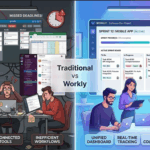
Basecamp helps teams stay organized, but in today’s fast-moving work environment, tracking tasks isn’t enough teams need systems like Workly that ensure work actually moves forward and gets completed.


Introduction
Choosing the right project management tool is no longer just about organizing tasks. It is about how efficiently your team can move from planning to execution. For years, Basecamp has been known for its simplicity and ease of use. However, as work environments become more complex, newer tools like Workly are redefining what teams should expect from their systems.
This brings us to an important comparison: Basecamp vs. Workly. The real debate is not just about features, but about whether simplicity is enough in a world that demands speed, automation, and execution.
Simple tools track work. Powerful tools finish.
The Philosophy Behind Both Tools
Basecamp is built on the idea that project management should be simple and distraction-free. It removes unnecessary complexity and focuses on core elements, such as to-do lists, communication, and scheduling. This makes it highly accessible, especially for teams that want to get started quickly without a steep learning curve.
Workly, on the other hand, is designed with a different mindset. It focuses on execution rather than just organization. Instead of only helping teams track tasks, it aims to reduce the effort required to complete them. This shift reflects how modern teams operate today, where speed and efficiency take precedence over clarity.
Where Basecamp Falls Short
The biggest challenge with Basecamp is that it relies heavily on manual effort. Tasks need to be updated manually, follow-ups depend on team members, and progress often requires constant human intervention.
- Limited automation means repetitive tasks continue to consume time, reducing overall efficiency.
- Lack of execution capability creates a gap between planning and actual completion of work.
- Teams often face delays due to dependency on manual coordination and communication.
This leads to a common question in 2026: Is Basecamp outdated or modern tools? The answer is not that it is outdated, but that it is no longer sufficient for teams that require faster execution and scalability.
Workly: A Shift Toward Execution
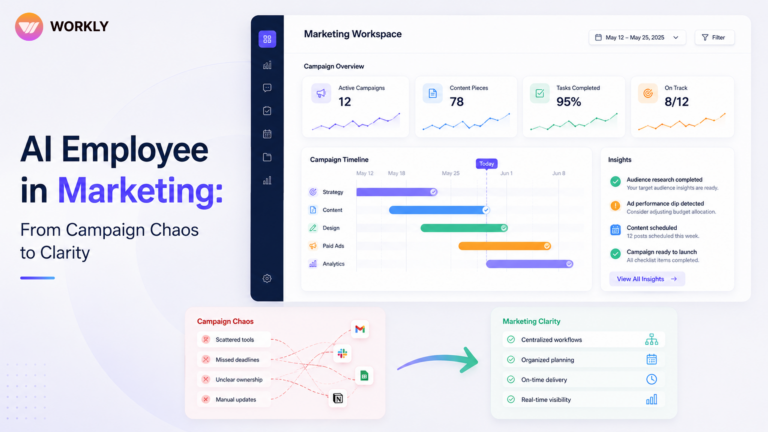
Workly represents a new category of tools that go beyond project management. It is designed to handle not just the visibility of work, but also its execution. By integrating automation and AI-driven workflows, Workly reduces the need for constant human involvement in routine processes.
This allows teams to focus more on strategic work instead of spending time on coordination. Tasks do not just sit in a list waiting for action; they move forward through defined workflows.
The core difference lies in how work progresses. While Basecamp depends on people to push tasks forward, Workly enables the system to handle a significant part of that movement.
Basecamp vs Workly: Feature Comparison
The biggest difference between Workly and Slack comes from Workly AI Employees.
Slackbots are rule-based. They respond to triggers and perform limited actions such as sending notifications or updating statuses. They assist teams, but they do not take ownership of work.
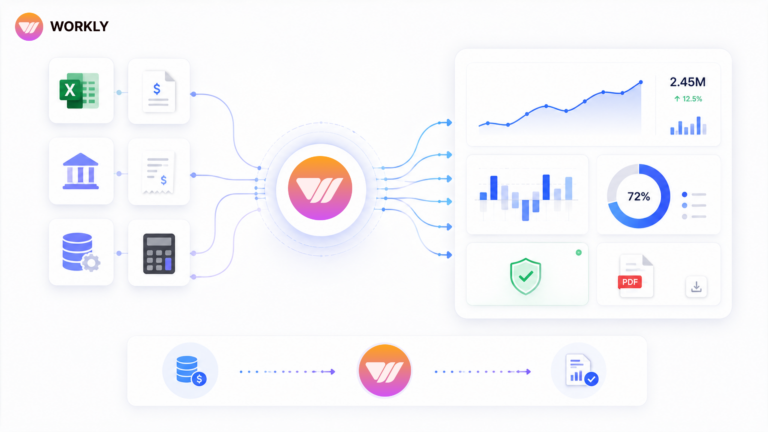
Workly AI Employees go much further. They are designed to execute tasks. They can understand context, perform actions across tools, and complete workflows with minimal human intervention.
For example, instead of sending a reminder to update a report, an AI Employee can gather the required data, update the report, and notify stakeholders once it is completed.
This changes the role of technology from supporting work to actually doing work.
Capability | Basecamp | Workly |
Task Management | ❌ | ✔ |
Automation & AI | ❌ | ✔ |
Productivity | ❌ | ✔ |
Execution Ability | ❌ | ✔ |
Ease of Use | ✔ | ⚠️ Limited |
Basecamp vs Workly for Small Teams 2026
For small teams, the choice between Basecamp and Workly depends on how they operate and what they aim to achieve.
Teams that prefer simplicity and have straightforward workflows may find Basecamp sufficient. It allows them to stay organized without investing time in learning complex systems.
However, small teams that want to scale efficiently often face challenges with manual processes. In such cases, Workly provides a significant advantage by reducing operational overhead and enabling faster execution.
- Small teams benefit from automation as it reduces dependency on additional hires.
- Faster execution allows teams to deliver more without increasing workload.
- Systems that handle routine tasks free up time for growth-focused activities.
In 2026, small teams are increasingly choosing tools that minimize effort while maximizing output.
The Core Difference: Tracking vs Execution
At the heart of the Basecamp vs. Workly debate is a fundamental difference in approach. Basecamp focuses on helping teams track and manage work. It provides clarity and structure but leaves execution entirely to the team.
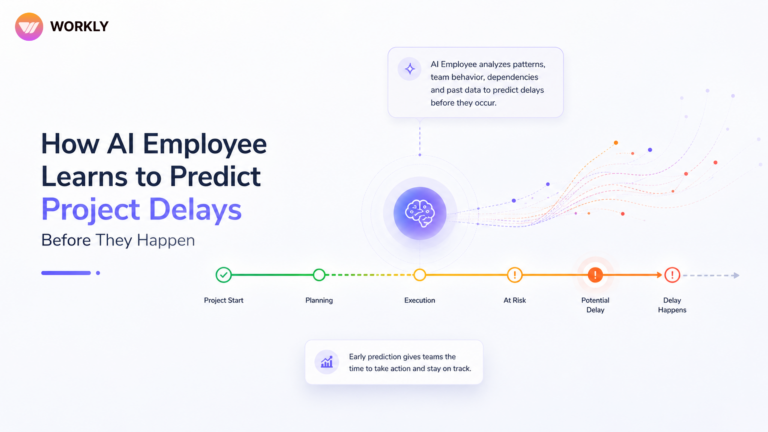
Workly, in contrast, is designed to ensure that work moves forward. It reduces friction in the process and minimizes delays caused by manual intervention.
This distinction becomes critical as teams grow and workloads increase. Managing tasks is no longer enough; completing them efficiently is what defines productivity.
Final Verdict
Basecamp remains a strong choice for teams that value simplicity and have relatively stable workflows. It delivers exactly what it promises without unnecessary complexity.
However, for teams looking to improve execution, reduce manual effort, and scale efficiently, Workly offers a more future-ready solution. It aligns better with the demands of modern work environments where speed and automation play a crucial role.
Conclusion
The debate between simplicity and power is evolving. Teams no longer have to choose one over the other. The expectation today is to have tools that are easy to use while still being capable of handling complex workflows.
If your team is experiencing delays, excessive coordination, or dependency on manual updates, it may be time to reconsider your current system.
Because in the end, productivity is not defined by how well you manage tasks, but by how effectively you complete them.
FAQs
Why is Workly a better choice than simple project management tools like Basecamp?
Workly goes beyond simplicity by not just organizing tasks but actively executing them through automation, eliminating the constant need for manual follow-ups.
How does Workly solve the execution gap left by traditional tools?
Unlike tools that only track progress, Workly ensures tasks move forward automatically through workflows, reducing delays caused by human dependency.
Can Workly maintain simplicity while offering advanced capabilities?
Yes, Workly is designed to keep workflows structured and intuitive while handling complex execution in the background through AI and automation.
How does Workly help teams move faster compared to manual systems?
Workly automates task progression, follow-ups, and coordination, allowing teams to complete work faster without constantly managing every step.
Why is execution more important than task tracking in modern teams?
Because tracking only shows what needs to be done, while execution ensures it actually gets done—and Workly is built to bridge that exact gap.
AI-First Collaborative OS
Stop managing tools. Start running work.


Emily Carter
Technical writer specializing in SaaS product documentation and in-app guides. Converts engineer-heavy inputs into clear user journeys, FAQs, and release notes.